The Human–Robot Workplace: How Industrial Automation Is Reshaping Global Manufacturing
Industrial automation is revolutionizing global manufacturing by seamlessly integrating robots into various production processes. This transformation fosters operational efficiency, enhances workforce development, and reshapes the competitive landscape across Asia, Europe, and North America.
By Inspiring Circle Editorial··5 min read
The Human–Robot Workplace: How Industrial Automation Is Reshaping Global Manufacturing
Exploring the transformative impact of industrial robotics on modern manufacturing
A New Era of Industrial Operations
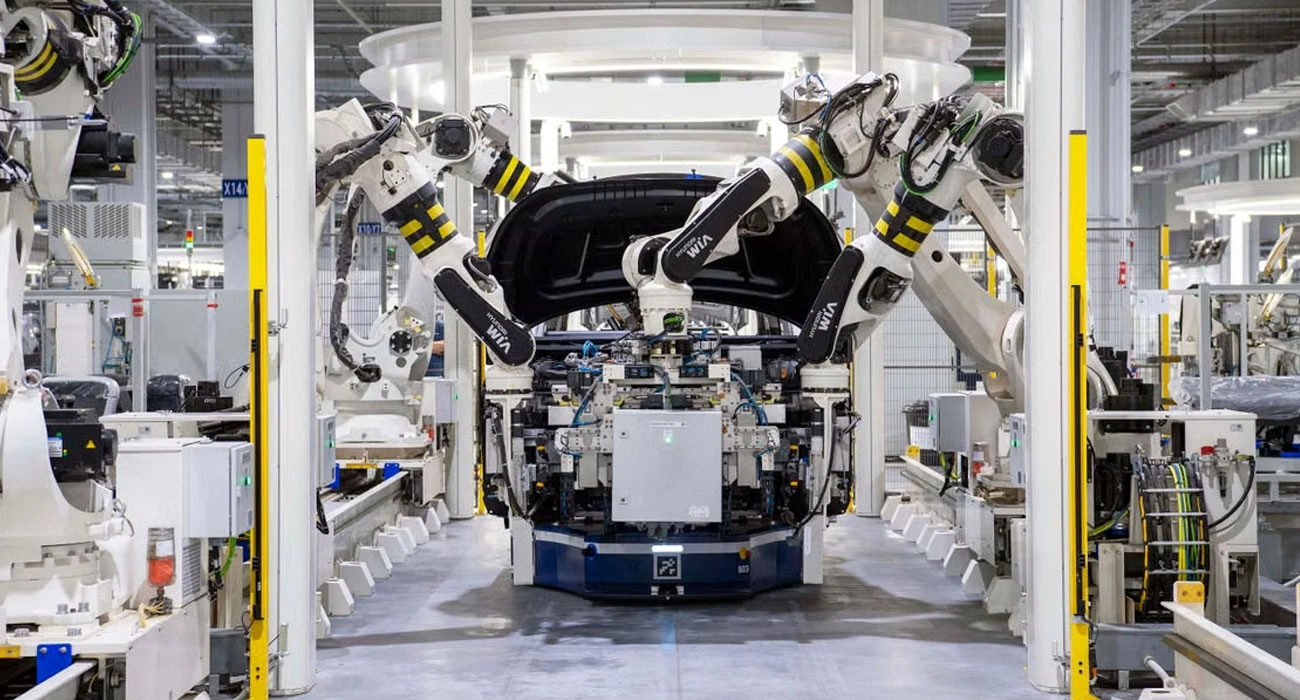
Manufacturing has always evolved alongside technological progress. Mechanisation, computer-controlled production, and digital systems have each transformed how businesses manufacture products and manage industrial operations. Today, industrial robotics is becoming an increasingly important part of this transformation. Modern industrial robots can perform repetitive, physically demanding, and highly precise tasks with consistency. They are used in activities such as welding, assembly, packaging, material handling, inspection, and production-line operations.
What makes the current transformation particularly significant is the growing integration of robotics with sensors, artificial intelligence, machine vision, and connected production systems. These technologies allow industrial operations to become more responsive to changing production requirements while improving the ability to monitor equipment and identify operational problems. For businesses, automation is increasingly becoming a strategic investment rather than simply a way to replace manual processes.
The Global Expansion of Industrial Robotics
The adoption of industrial robots is accelerating across major manufacturing economies. According to the International Federation of Robotics, factories worldwide installed more than 603,000 industrial robots in 2025. The global operational stock exceeded five million units for the first time. Asia remains the largest centre of industrial robot deployment, with China representing a particularly significant share of global installations. The United States and several European economies also continue investing in automated manufacturing systems.
These developments reflect the growing importance of manufacturing competitiveness, production reliability, and technological capabilities. Industries such as automotive manufacturing, electronics, and metal processing are among the major users of industrial robotics, which require high levels of precision, consistency, and operational coordination. As robotics becomes more accessible, other manufacturing sectors are also exploring opportunities to integrate automated systems into their operations.
The Changing Relationship Between People and Machines
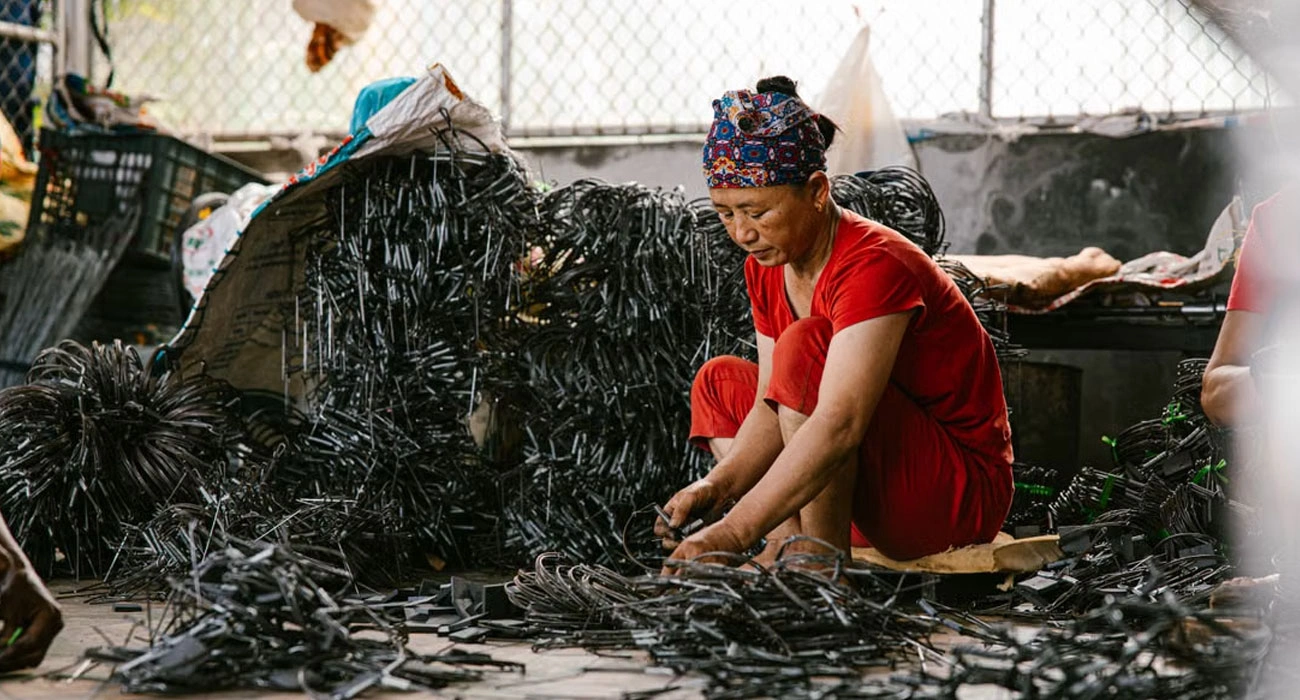
One of the most important questions surrounding industrial automation concerns the future role of human workers. Robotics can take over certain repetitive or physically demanding activities, but manufacturing operations still depend on human expertise in areas such as engineering, system supervision, maintenance, quality assurance, and decision-making. The expansion of industrial automation is therefore changing the skills required within manufacturing environments.
Workers may increasingly need capabilities in robotics programming, digital monitoring, technical troubleshooting, data interpretation, and equipment maintenance. This creates new responsibilities for employers and educational institutions. Businesses that invest in employee training can help their existing workforce adapt to changing production environments while developing the technical capabilities required for future operations.
“”
The factory of the future will not be defined by how many machines it operates, but by how intelligently people and technology work together.
— INSPIRING CIRCLE EDITORIAL TEAM
Facts & Insights
5.08 million: Approximate number of industrial robots operating in factories worldwide in 2025, according to the International Federation of Robotics.
603,307: Industrial robots installed globally in 2025, representing an 11% increase compared with the previous year.
152: Global average robot density in manufacturing, measured as industrial robots per 10,000 employees.
5.08M
Industrial robots worldwide
603K+
New industrial robot installations
152
Robot density per 10,000 manufacturing employees
806K
Forecast annual industrial robot installations by 2029
Contribution to Society
Industrial automation has the potential to improve manufacturing environments by supporting greater production consistency, reducing exposure to certain hazardous tasks, and creating new technical employment opportunities.
The expansion of robotics also encourages investment in education and professional development. Workers can develop new capabilities in engineering, programming, equipment maintenance, and digital production management.
For businesses and local economies, advanced manufacturing can support industrial competitiveness, strengthen production capacity, and create opportunities for specialised service providers.
However, these benefits depend on responsible implementation. Companies need to consider workforce transitions, employee training, workplace safety, and fair access to emerging technical opportunities.
The development of human–robot collaboration demonstrates that technological progress can create broader value when it is accompanied by investment in people.
Industrial robotics is changing the foundations of modern manufacturing. As automated systems become more sophisticated and accessible, companies are discovering new ways to improve production, strengthen operational capabilities, and respond to increasingly complex industrial demands.
Yet the future of manufacturing will not be determined by technology alone. The ability to develop skilled people, establish responsible automation strategies, and create effective collaboration between human workers and machines will remain equally important.
Inspiring Circle recognises the entrepreneurs, industrial leaders, and innovators whose decisions are shaping the future of enterprise and creating new opportunities through technological progress.
Instagram does not support direct link sharing from external websites. To share this article, please follow these steps:
1Copy the article link using the button below.
2Open Instagram and create a new **Story** or edit your **Bio**.
3Paste the link using the **"Link" sticker** in Stories or into the Website field in your Bio.
How to share on TikTok?
TikTok does not support direct link sharing from external websites. To share this article, please follow these steps:
1Copy the article link using the button below.
2Open TikTok and create a new video or update your **Bio**.
3Paste the link into your video description or into the Website field in your Bio.
INSPIRING CIRCLE
Your privacy, your choice
We use essential cookies to keep this website working. With your permission, we also use Google Analytics to understand visits and load external videos and maps. Optional categories are off until you choose. You can change or withdraw your consent at any time in Cookie settings.