The Night Sky Economy: How Astrotourism Is Creating New Travel Experiences
Astrotourism is emerging as a distinctive segment of the travel industry, creating opportunities for destinations to develop unique tourism identities based on their night skies. This trend combines astronomy with education and cultural discovery, offering new experiences that attract visitors while promoting environmental conservation.
By Inspiring Circle Editorial··5 min read
The Night Sky Economy: How Astrotourism Is Creating New Travel Experiences
Exploring the growing trend of astrotourism and its impact on travel.
When the Night Sky Becomes a Destination
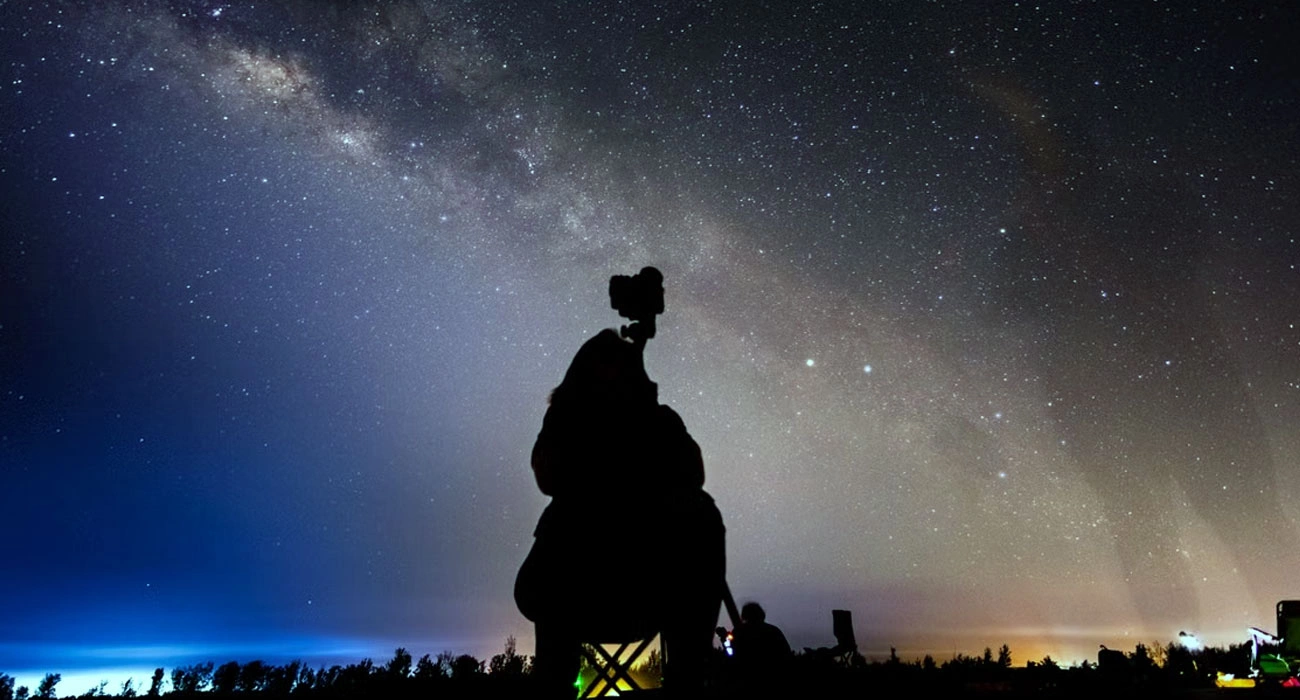
For generations, travelers have sought extraordinary landscapes and cultural experiences. Now, a new opportunity is emerging: observing the night sky. Astrotourism encompasses activities related to astronomical observation and celestial phenomena, providing fresh reasons to visit destinations beyond traditional sightseeing. Locations with minimal artificial light, such as remote deserts and mountain regions, offer unparalleled opportunities to witness stars, planets, meteor showers, and other astronomical events. This trend encourages not only personal enjoyment but also participation in guided astronomy sessions, educational programs, and cultural activities linked to local interpretations of the sky.
For destinations, this trend creates a unique tourism identity built around a natural resource often overlooked. As travelers seek experiences beyond the ordinary, destinations can leverage their dark skies to attract new visitors and foster tourism growth.
A New Opportunity for Emerging Destinations
Astrotourism has the potential to benefit destinations outside established tourism centers. Remote areas with clear skies and limited light pollution possess advantages that urban destinations cannot easily replicate. The Atacama Desert in Chile, the Aoraki Mackenzie region in New Zealand, and certified dark-sky locations in the United States exemplify how astronomical observation can enhance a destination's tourism offering. By encouraging visitors to stay longer and explore surrounding attractions, astrotourism can support local businesses and create new economic opportunities.
For smaller communities, developing astrotourism can create jobs for local guides, hospitality businesses, transport operators, and specialized tourism providers. Instead of relying solely on large-scale infrastructure, destinations can focus on experiences that highlight local landscapes, scientific knowledge, and environmental characteristics.
Beyond Stargazing: Education and Cultural Discovery
Astrotourism extends beyond merely gazing at the stars, offering a blend of science, culture, and personal discovery. Observatories and educational institutions can engage visitors with guided sessions, workshops, and interactive demonstrations. Local communities can share traditional knowledge and cultural interpretations associated with constellations and celestial navigation, creating meaningful connections between visitors and the night sky.
This unique blend of recreation and education allows families and educational travelers to engage with science in an accessible environment. For enthusiasts and photographers, astrotourism presents opportunities to explore specialized interests in diverse settings, thus attracting visitors for reasons beyond conventional leisure activities.
“”
Some of the world's most extraordinary travel experiences begin when we look beyond the horizon and discover what lies above us.
— INSPIRING CIRCLE EDITORIAL TEAM
Facts & Insights
23 January 2026: UN Tourism and the Starlight Foundation launched a practical guide for developing astrotourism destinations.
1.5 billion: International tourist arrivals recorded worldwide in 2025, according to the World Economic Forum's Travel & Tourism Development Index 2026.
3 dimensions: Astrotourism can connect scientific education, local community development, and dark-sky conservation.
The Future of Tourism Beyond Daylight
Astrotourism opens up possibilities for extending the tourism calendar beyond conventional daytime activities. Night-sky observation encourages visitors to engage in evening programs and discover natural environments from a new perspective. This can diversify tourism in rural regions rich in natural resources yet lacking conventional attractions.
However, the long-term success of astrotourism hinges on careful management of visitor numbers, infrastructure development, and environmental protection. Communities must balance preserving their natural resources with promoting tourism to ensure that the night sky remains a compelling experience for generations to come.
1.5B
International tourist
2026
Launch of astrotourism guide
3
Core opportunities
24/7
Potential to develop experiences
Contribution to Society
Astrotourism can create new opportunities for rural economic development while encouraging greater appreciation of astronomy, environmental conservation, and local cultural heritage.
Communities located near dark-sky environments may benefit from new employment opportunities in accommodation, guiding, transportation, education, and specialised tourism services.
The development of these experiences can also strengthen public understanding of light pollution and the importance of protecting natural darkness.
Educational institutions and scientific organisations may benefit from opportunities to engage with wider audiences through accessible astronomy programmes.
By connecting economic development with scientific discovery and environmental awareness, astrotourism offers a distinctive example of how tourism can contribute to both local prosperity and public knowledge.
The night sky is one of the few natural experiences shared by people across geographical and cultural boundaries. Yet its visibility and preservation depend on how responsibly communities manage their environments.
As travellers increasingly explore experiences beyond traditional sightseeing, astrotourism offers destinations an opportunity to develop new tourism products while protecting a valuable natural resource.
Through stories of emerging travel experiences and innovative destination development, Inspiring Circle highlights the people and ideas creating meaningful connections between tourism, science, nature, and communities.
Instagram does not support direct link sharing from external websites. To share this article, please follow these steps:
1Copy the article link using the button below.
2Open Instagram and create a new **Story** or edit your **Bio**.
3Paste the link using the **"Link" sticker** in Stories or into the Website field in your Bio.
How to share on TikTok?
TikTok does not support direct link sharing from external websites. To share this article, please follow these steps:
1Copy the article link using the button below.
2Open TikTok and create a new video or update your **Bio**.
3Paste the link into your video description or into the Website field in your Bio.
INSPIRING CIRCLE
Your privacy, your choice
We use essential cookies to keep this website working. With your permission, we also use Google Analytics to understand visits and load external videos and maps. Optional categories are off until you choose. You can change or withdraw your consent at any time in Cookie settings.