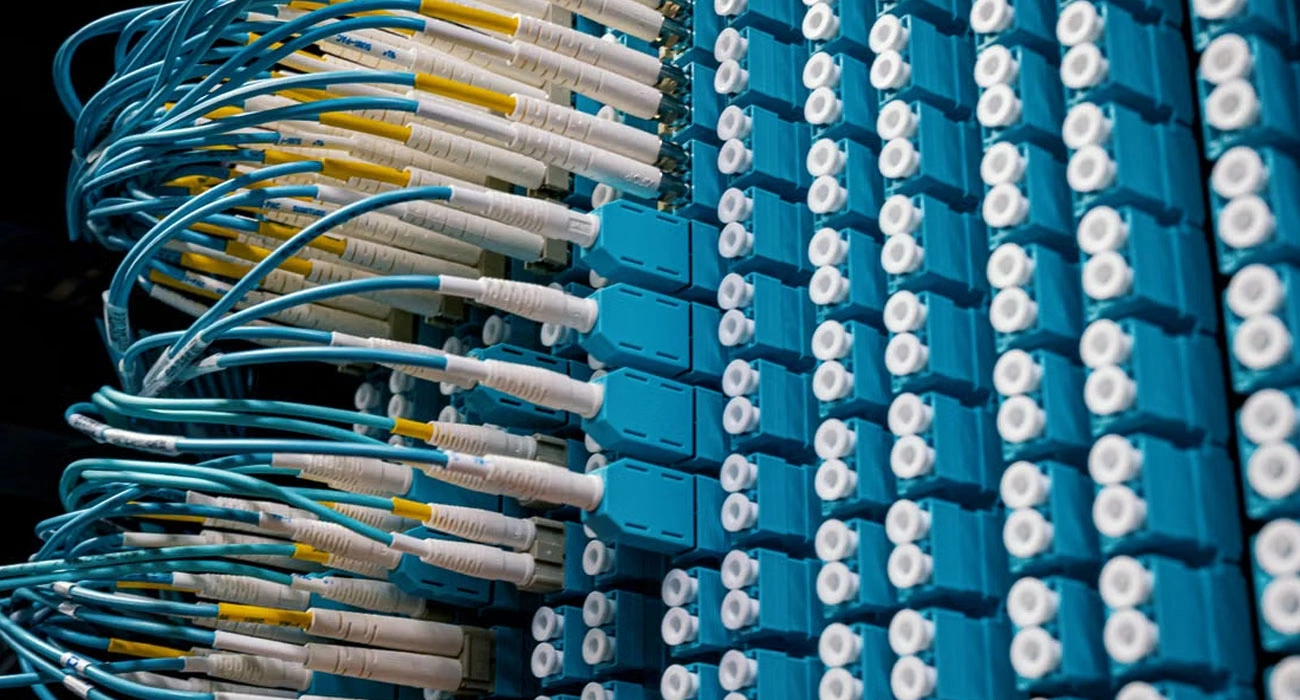
The Infrastructure Behind AI: Why Data Centres Are Becoming a Global Energy Priority
As artificial intelligence expands, the demand for data centres is skyrocketing, leading to significant increases in electricity consumption and new challenges in energy infrastructure. This article explores the intersection of digital innovation and energy responsibility, discussing the implications for technology and energy sectors globally.
By Inspiring Circle Editorial··4 min read
The Infrastructure Behind AI: Why Data Centres Are Becoming a Global Energy Priority
Exploring the intersection of digital innovation, energy security, and infrastructure investment.
The Physical Foundation of Artificial Intelligence
Artificial intelligence is often experienced through digital interfaces, allowing users to generate content, analyze information, and automate tasks. However, behind these interactions lies a substantial physical infrastructure that makes modern AI systems possible. Data centres house the servers, storage systems, networking equipment, and specialized processors required to operate these digital services. As AI models evolve, data centres must manage increasingly demanding computing workloads, resulting in a significant rise in electricity needs, cooling technologies, advanced components, and dependable connections to national power grids.
The expansion of AI not only alters the landscape of software development but also reshapes the infrastructure requirements of the global economy. Companies are no longer just tasked with creating better software; they must build and operate the physical systems that support these innovations, integrating energy efficiency into their infrastructure strategy.
The Growing Energy Demand of Data Centres
Electricity has become a critical aspect of data centre development. Unlike conventional commercial facilities, large data centres operate continuously, necessitating stable power supplies to sustain their computing systems. The International Energy Agency (IEA) reported that global data centre electricity consumption surged by 17% in 2025, with AI-focused facilities experiencing even more rapid growth at approximately 50%. This trend is expected to continue, with projections indicating that global data centre electricity consumption could double by 2030, and demand from AI-focused data centres could triple.
These developments pose new challenges for energy providers and policymakers. Infrastructure planning must account for the location of data centres, available electricity capacity, grid connections, and the long-term reliability of power supplies, creating a complex landscape for future energy strategies.
“”
The future of artificial intelligence will be shaped not only by the intelligence of machines, but by the infrastructure that makes their progress possible.
— INSPIRING CIRCLE EDITORIAL TEAM
Balancing Digital Growth with Environmental Responsibility
The development of AI infrastructure presents an important challenge: how can the world support technological progress while managing its energy and environmental consequences? Data centres require significant electricity for both computing and cooling, and their environmental impact significantly relies on the energy sources utilized. Facilities in regions with cleaner electricity systems exhibit different emissions profiles compared to those heavily reliant on fossil fuels.
Moreover, factors such as water use, land availability, and transmission infrastructure are becoming increasingly vital in data centre planning. Companies are exploring renewable energy procurement, advanced cooling technologies, and efficient processors to mitigate operational pressures while supporting digital service expansion.
Facts & Insights
Global data centre electricity demand increased by 17% in 2025, according to the IEA.
Electricity consumption from AI-focused data centres increased by approximately 50% in 2025.
The IEA projects that total global data centre electricity consumption will double by 2030.
Five major technology companies recorded combined capital expenditure exceeding US$400 billion in 2025, reflecting the scale of investment in technology infrastructure.
Contribution to Society
The expansion of AI infrastructure has the potential to support advances in healthcare, scientific research, education, manufacturing, and public services. Reliable computing facilities make it possible to process large datasets, develop advanced technologies, and deliver digital services across geographical boundaries.
At the same time, infrastructure development must consider the needs of the communities where facilities are located. Responsible investment requires attention to electricity affordability, environmental impacts, water resources, employment opportunities, and the long-term resilience of local infrastructure.
The challenge is to ensure that technological progress creates value beyond the technology sector itself. Cooperation between energy providers, governments, researchers, and businesses can help make digital infrastructure more efficient and beneficial to society.
Artificial intelligence is often described as one of the defining technologies of the modern era. Yet its future will depend on an equally important development taking place behind the scenes: the transformation of the physical infrastructure that supports it.
As data centres expand, energy systems, construction industries, and technology providers will need to work together to meet growing demand responsibly. The companies that succeed may be those capable of connecting digital innovation with practical infrastructure solutions.
Through its exploration of global innovation, Inspiring Circle highlights the people, businesses, and ideas shaping the systems that will support the next generation of technological progress.
Instagram does not support direct link sharing from external websites. To share this article, please follow these steps:
1Copy the article link using the button below.
2Open Instagram and create a new **Story** or edit your **Bio**.
3Paste the link using the **"Link" sticker** in Stories or into the Website field in your Bio.
How to share on TikTok?
TikTok does not support direct link sharing from external websites. To share this article, please follow these steps:
1Copy the article link using the button below.
2Open TikTok and create a new video or update your **Bio**.
3Paste the link into your video description or into the Website field in your Bio.
INSPIRING CIRCLE
Your privacy, your choice
We use essential cookies to keep this website working. With your permission, we also use Google Analytics to understand visits and load external videos and maps. Optional categories are off until you choose. You can change or withdraw your consent at any time in Cookie settings.