Beyond the Farm: How Innovation Is Reshaping the Future of Global Food Systems
Explore the transformative effects of technological advancements and changing consumer demands on agriculture.
A Changing Global Food Landscape
The global food system is influenced by a complex combination of demographic, economic, and environmental factors. Population growth and rising incomes can change the types of food consumed, while urbanization influences how food is processed, transported, and distributed. Climate change and pressure on natural resources create additional challenges for agricultural producers, leading to a transformation of traditional farming into a more interconnected ecosystem. Businesses must now consider productivity, resource efficiency, supply-chain reliability, and changing market requirements.
Consequently, we see a landscape where traditional knowledge and modern innovation are increasingly interconnected. As countries and organizations prepare for future demand, the focus on developing more productive, resilient, and sustainable food systems has become a major economic priority. This transformation creates opportunities for entrepreneurs, technology providers, agricultural businesses, and policymakers to rethink how food production can support a growing global population. Another important dimension of this transformation is the changing relationship between food producers, technology providers, and consumers. Growing demand for transparency is encouraging businesses to pay closer attention to how food is cultivated, processed, and distributed. Consumers increasingly expect reliable information about product origins, environmental practices, and quality standards. This shift is creating opportunities for businesses that can combine agricultural innovation with traceability, responsible sourcing, and more transparent supply chains.
Technology Is Transforming Agricultural Production
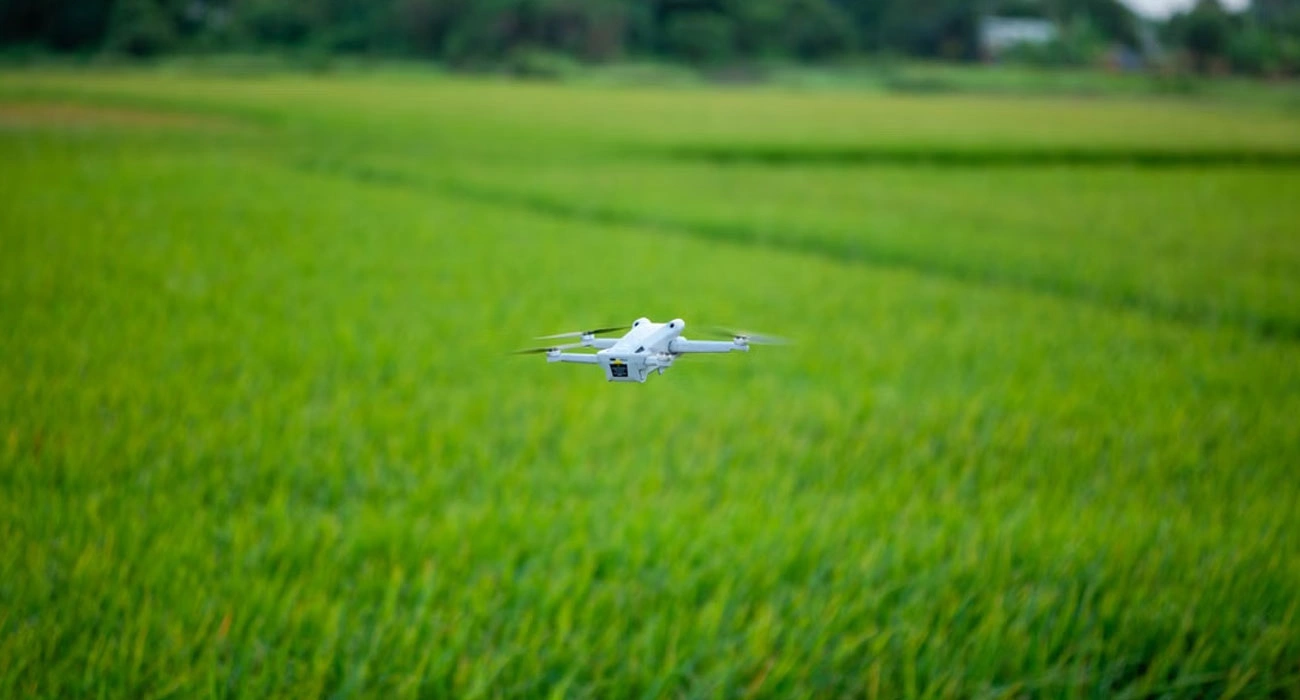
Technological innovation plays a pivotal role in agricultural development. Precision agriculture enables farmers to leverage data, sensors, and satellite imagery for better decision-making regarding growing conditions. Automated machinery and agricultural drones enhance field management, while advanced irrigation systems improve water efficiency. Together, these advancements help farmers respond to changing environmental conditions, ultimately creating numerous opportunities for technology companies and agricultural service providers.
However, successful technology adoption hinges on accessibility, affordability, and the capacity of farmers to integrate these new solutions into existing production systems. The skills and capabilities required across the modern agricultural sector are evolving, emphasizing the need for ongoing training and support for farmers to ensure they can effectively utilize these innovations. Data is becoming one of the most valuable resources in modern agriculture. By combining satellite imagery, weather information, soil monitoring, and artificial intelligence, agricultural businesses can identify potential risks earlier and make more informed decisions. Predictive tools can help estimate crop performance, optimise irrigation schedules, and improve the timing of planting and harvesting. These capabilities can reduce uncertainty and support more efficient use of agricultural resources.
The growing agritech ecosystem is also creating new commercial opportunities beyond traditional farming. Technology companies, equipment manufacturers, software developers, and agricultural service providers are increasingly becoming part of the food production value chain. Their collaboration is helping transform agriculture into a more connected industry where digital innovation and practical farming knowledge work together.
The Role of Small Farmers in Agricultural Innovation
The future of agricultural innovation will depend not only on technological advancement but also on how effectively these solutions reach farmers of different sizes. Smallholder farmers remain an important part of global food production, yet many face barriers such as limited financing, inadequate infrastructure, and restricted access to modern agricultural technologies.
Affordable digital tools, mobile advisory platforms, shared agricultural equipment, and accessible financing models can help address some of these challenges. By providing farmers with better access to weather information, market prices, and practical farming guidance, these solutions can improve productivity and strengthen their ability to respond to changing conditions.
There is also an opportunity for agricultural businesses to develop more inclusive commercial partnerships. Cooperatives, technology providers, financial institutions, and food distributors can work together to connect smaller producers with broader markets. This approach can create economic opportunities while supporting a more balanced and resilient food system.
Ultimately, agricultural innovation will have a greater impact when its benefits extend beyond large-scale producers and reach the communities responsible for sustaining food production.
— INSPIRING CIRCLE EDITORIAL TEAMThe future of food will depend not only on how much we produce, but on how intelligently we manage the resources, technology, and partnerships behind every harvest
Building More Resilient Food Supply Chains
Food production represents just one component of the broader agricultural economy. Storage, processing, transportation, and distribution are equally critical to ensuring food reaches consumers efficiently. Disruptions caused by extreme weather, geopolitical uncertainties, or logistical challenges can significantly affect the availability and cost of agricultural products. In response, businesses are exploring diversified sourcing strategies, improved storage systems, and stronger relationships with producers.
Digital supply-chain platforms enhance visibility across production and distribution networks, enabling organizations to identify potential disruptions and respond more effectively. Developing resilient supply chains is now essential to maintaining stable food markets and supporting international trade, underscoring the importance of adaptability in the face of ongoing challenges. Resilience also depends on the ability of food businesses to anticipate and respond to disruptions before they affect consumers. Digital tracking systems, improved storage infrastructure, and better coordination between suppliers can help organisations identify bottlenecks and manage inventory more effectively. For international food businesses, these capabilities are particularly important when navigating changing trade conditions, transportation challenges, and fluctuating production levels. Greater visibility across the supply chain can strengthen operational planning while helping reduce unnecessary food losses.
Sustainability as a Competitive Advantage
Sustainability is becoming an increasingly important consideration in agricultural business strategy. Companies are facing growing expectations to manage natural resources responsibly, reduce environmental impacts, and maintain reliable production systems. These priorities are encouraging businesses to reconsider traditional agricultural practices and explore more resource-efficient approaches.
Precision irrigation, improved soil management, renewable energy, and more efficient fertilisation methods can help reduce unnecessary resource consumption. At the same time, innovations in agricultural processing and storage can support efforts to minimise food losses throughout the production and distribution process.
For businesses, sustainable agricultural practices can also create opportunities for differentiation and long-term competitiveness. Companies that invest in responsible sourcing, transparent production methods, and resource efficiency may be better positioned to respond to changing consumer expectations and evolving market requirements.
The challenge is to ensure that sustainability initiatives remain economically viable while delivering measurable environmental benefits. Achieving this balance requires cooperation between farmers, technology developers, investors, and policymakers.
- IFPRI published its Global Agrifood Systems Outlook to 2050 in September 2026.
- The report examines a 25-year outlook for global agrifood systems.
- Its modelling framework covers seven geographical regions.
- The research analyses seven commodity groups and examines the interaction between food production, trade, climate, technology and employment.
Building the Next Generation of Food Systems
The transformation of global agriculture represents more than a technological shift. It reflects a broader evolution in how societies produce, distribute, and manage the resources needed to sustain future generations. From precision farming and digital monitoring to sustainable supply chains, innovation is creating new possibilities for businesses across the agricultural ecosystem.
However, the long-term success of this transformation will depend on collaboration. Farmers, technology companies, investors, food producers, and policymakers must work together to ensure that innovation translates into practical improvements in productivity, accessibility, and environmental responsibility.
As global food demand continues to evolve, businesses that combine technological capabilities with sustainable practices and inclusive partnerships will be better positioned to navigate emerging challenges. The future of agriculture will ultimately be shaped not only by what technology makes possible, but by how effectively it creates value for people, businesses, and communities around the world.