
The Space Economy: How Satellites Are Reshaping Global Business
Discover how commercial satellites, space infrastructure, and Earth observation are creating new opportunities across global industries.
From Space Exploration to Commercial Infrastructure
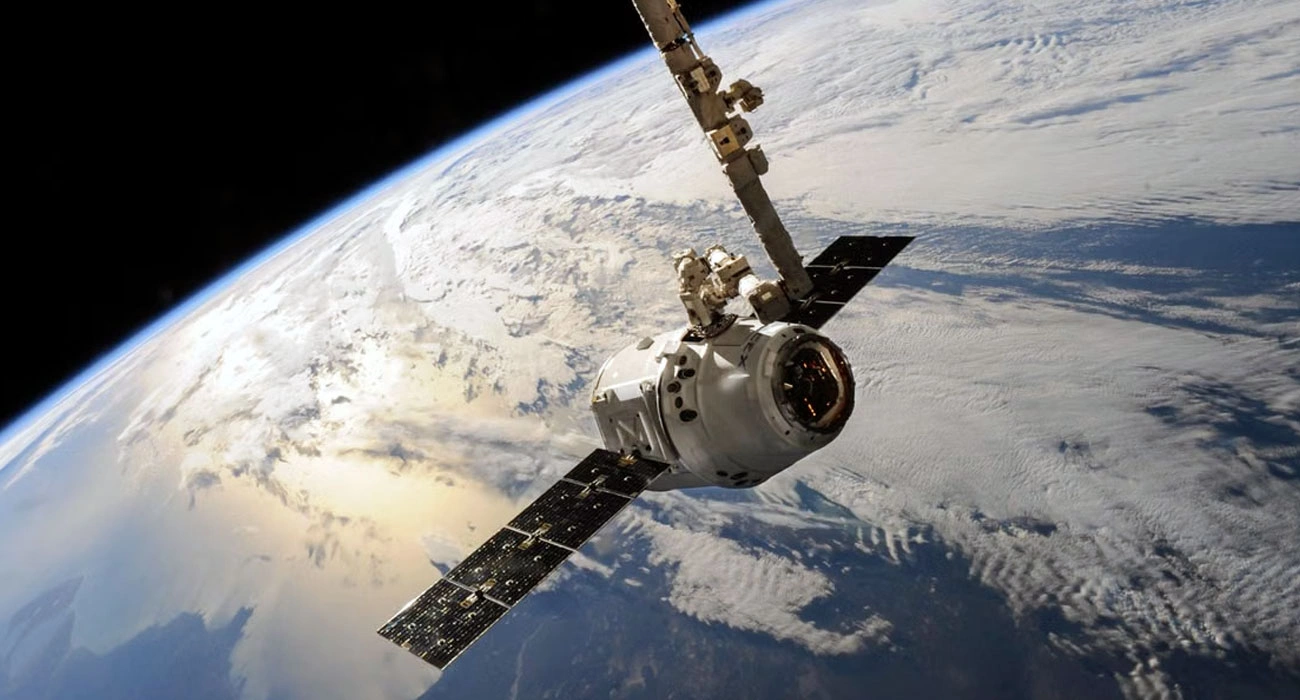
For decades, space activities were largely driven by national governments and scientific institutions. Satellite development was closely connected to research, national security, and major public infrastructure programmes. Today, the industry is experiencing a broader transformation. Private companies are increasingly involved in satellite manufacturing, launch services, communications, and data applications. Advances in reusable launch technologies, smaller satellite systems, and commercial partnerships have helped expand access to space-based services.
This shift is changing the economic role of space infrastructure. Satellites are no longer simply instruments for exploration; they are becoming essential components of modern communication and information systems. The commercialisation of space is revolutionising how industries operate and interact, making space technology integral to daily economic activities. The growing reliance on satellite infrastructure is also changing how businesses manage information and make operational decisions. Satellite connectivity enables communication in remote locations, while Earth observation provides valuable data for monitoring infrastructure, natural resources, and environmental conditions. These capabilities are becoming increasingly important for industries that depend on accurate information, reliable connectivity, and real-time monitoring. As a result, commercial space technology is evolving from a specialised technical sector into an essential component of modern economic infrastructure.
The Industries Benefiting from Space Technology
The economic impact of space technology extends across several industries. In agriculture, satellite imagery can help monitor crop conditions, identify environmental changes, and support more informed land-management decisions. In transportation, satellite navigation enables positioning, routing, and logistics coordination. Financial services also rely on satellite-enabled positioning and timing systems to support critical infrastructure.
Meanwhile, weather monitoring and Earth observation contribute to disaster preparedness, environmental management, and infrastructure planning. These applications demonstrate that much of the value generated by the space economy lies not only in launching satellites but also in the services and information they provide on Earth. Beyond traditional applications, satellite technology is creating opportunities in insurance, logistics, construction, and urban development. Insurance companies can use satellite imagery to assess property exposure to floods, wildfires, and other natural hazards. Logistics operators can benefit from satellite navigation and connectivity to improve fleet management, route planning, and supply chain visibility.
Financial institutions and data-driven businesses are also exploring satellite-derived information to support investment analysis and risk assessment. Agricultural monitoring, infrastructure development, and environmental data can provide additional insights into economic activity that may otherwise be difficult to measure. These applications demonstrate how space technology is becoming increasingly connected to everyday business decisions.
— INSPIRING CIRCLE EDITORIAL TEAMThe greatest value of space technology is not simply reaching beyond Earth, but transforming what we discover there into opportunities that improve life and business on Earth.
The Expansion of a Global Commercial Ecosystem
The Business of Satellite Data
One of the most valuable developments in the space economy is the growing commercial use of satellite-generated data. Satellites do more than provide connectivity or support navigation. They collect information that can help businesses understand geographical changes, monitor resources, and identify emerging risks.
Earth observation data, for example, can support agricultural planning by tracking crop conditions, soil moisture, and changes in land use. In urban environments, satellite imagery can help monitor construction activity, infrastructure development, and environmental conditions. These insights allow organisations to make more informed decisions and improve the efficiency of their operations.
The commercial potential extends beyond collecting information. Companies are developing software platforms, analytics services, and artificial intelligence tools that transform satellite data into practical business intelligence. This creates opportunities for technology developers, data providers, and specialised service companies to participate in a growing digital ecosystem.
As demand for reliable information increases, the ability to interpret and apply satellite data may become just as important as the infrastructure used to collect it. The future of the space economy will therefore depend not only on launching more satellites, but also on turning information from orbit into meaningful economic value.
- Global space-related revenues were estimated at US$550–600 billion in 2025.
- More than 14,000 operational satellites were in orbit by the end of 2025.
- The number of operational satellites reached nearly 15,000 by mid-2026.
- A total of 329 space launches carried approximately 4,900 objects into space during 2025.
Responsible Development Beyond Earth
As more satellites enter orbit, the industry faces challenges involving orbital congestion, space debris, market concentration, and the long-term sustainability of space infrastructure. These concerns require international cooperation, transparent regulatory frameworks, and responsible operational practices. The next stage of the space economy will depend not only on technological progress but also on the ability of governments and businesses to develop reliable systems that support long-term commercial and public interests.
The commercialisation of space represents one of the most significant transformations in the modern technology landscape. Its influence is increasingly visible in industries that depend on connectivity, reliable information, and advanced infrastructure. As commercial participation expands, the space economy will continue to create opportunities for entrepreneurs, researchers, and established organisations to develop solutions that connect technological progress with practical needs on Earth. Long-term commercial growth will also depend on how responsibly the industry manages its expanding presence in orbit. Increasing satellite deployments create challenges involving orbital congestion, space debris, spectrum allocation, and international coordination. Businesses entering this market must consider these responsibilities as part of their operational strategies. Sustainable satellite design, end-of-life disposal planning, and international cooperation will be important in maintaining a safe and commercially viable space environment for future generations.
The Next Frontier of Global Business
The space economy is entering a new phase in which commercial technology, digital infrastructure, and data-driven services are becoming increasingly interconnected. What was once primarily associated with government exploration and scientific research is now creating opportunities for businesses across multiple industries.
As satellite networks expand and access to space becomes more commercially accessible, new possibilities will emerge in communication, navigation, environmental monitoring, and industrial intelligence. The organisations best positioned to benefit will be those capable of translating technological capabilities into practical solutions.
Ultimately, the future of the space economy will not be measured solely by the number of satellites launched or missions completed. Its lasting impact will depend on how effectively innovation in orbit contributes to economic development, technological progress, and solutions to challenges on Earth.