
The Water Economy: Global Water Security and Business Opportunities
Explore how water scarcity, infrastructure investment and water efficiency are reshaping global industries and creating new business opportunities.
Water as an Essential Economic Resource
Water is often treated as an everyday resource, but its economic importance extends far beyond household consumption. Agriculture depends on reliable water supplies, manufacturing requires water throughout production processes, and energy systems rely on it for various industrial operations. When water availability becomes uncertain, the consequences can extend across entire supply chains. Agricultural production may become less predictable, industrial operations can face higher costs, and cities may experience increasing pressure on public infrastructure.
These challenges are encouraging policymakers and business leaders to view water security as an important component of economic resilience. As the demand for water increases due to population growth and industrial needs, the pressure on existing water resources intensifies. This shift is prompting both governments and businesses to rethink their approaches to water management, leading to innovative solutions that can ensure sustainable access. Water security is also becoming an important consideration in corporate risk management. Industries such as agriculture, manufacturing, food processing, energy, and semiconductor production depend on reliable water supplies to maintain their operations. Disruptions caused by drought, pollution, or inadequate infrastructure can increase operating costs, delay production, and affect entire supply chains. As a result, businesses are increasingly recognising water availability as a strategic factor in investment decisions and long-term operational planning.
The Rise of Water Infrastructure and Technology
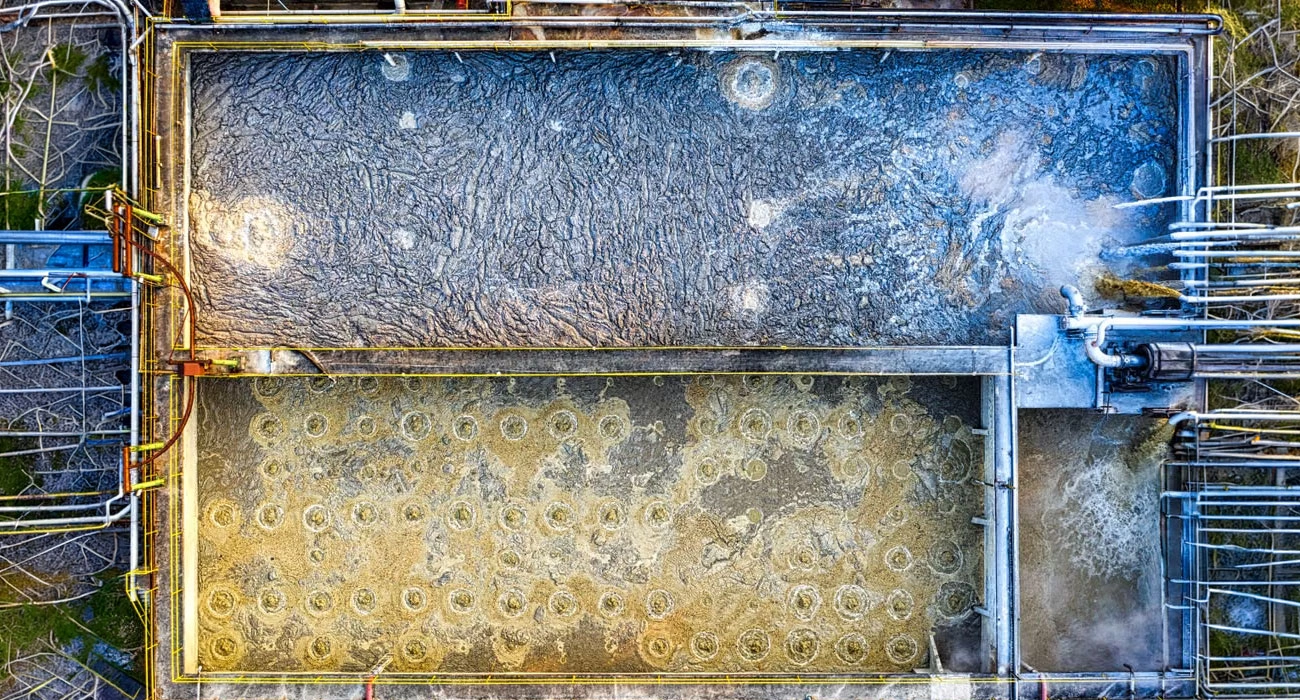
The growing need for reliable water supplies is creating opportunities for infrastructure providers and technology companies. Modern water-treatment facilities, desalination systems, wastewater recycling, and smart distribution networks are becoming important areas of investment. Digital monitoring technologies can also help identify leaks, measure consumption, and improve the efficiency of water distribution.
For industrial businesses, these developments offer opportunities to reduce operating costs and manage resource consumption more effectively. For municipalities, they can improve service reliability and support long-term urban development. The intersection of technology and infrastructure is paving the way for a more resilient water economy. Technological innovation is expanding the range of solutions available to address water-related challenges. Smart water meters, artificial intelligence-powered monitoring systems, leak detection technologies, and advanced filtration methods are helping organisations improve efficiency while reducing unnecessary consumption. These developments are creating new opportunities for technology providers, engineering companies, and infrastructure investors.
Water reuse is another growing area of commercial interest. Businesses are exploring wastewater treatment and recycling systems that allow water to be reused in industrial processes, cooling systems, and other applications. By reducing dependence on freshwater sources, these solutions can improve resource efficiency while supporting more sustainable production models.
— INSPIRING CIRCLE EDITORIAL TEAMWater is more than a natural resource. It is an economic foundation. The businesses that learn to manage it responsibly today will be better prepared for tomorrow's challenges.
Water Access, Equality and Economic Participation
Water Risk and the Future of Business Investment
As water scarcity becomes more pronounced in certain regions, investors and businesses are paying closer attention to water-related risks. Companies operating in water-intensive industries must increasingly evaluate the availability, quality, and long-term reliability of local water resources before establishing or expanding their operations.
Water risk can influence more than production costs. It can affect asset valuations, supply chain reliability, regulatory compliance, and relationships with surrounding communities. Businesses that fail to consider these factors may face operational disruptions and increasing financial pressure.
This changing landscape is encouraging greater investment in water-efficient technologies, sustainable infrastructure, and responsible resource management. Financial institutions are also paying greater attention to environmental risks when assessing corporate performance and investment opportunities.
For businesses, the ability to manage water responsibly is becoming an important element of long-term competitiveness. Companies that integrate water stewardship into their operational strategies can strengthen resilience, improve resource efficiency, and contribute to more sustainable economic development.
- Approximately 2.2 billion people worldwide lack access to safely managed drinking water, highlighting the scale of the global water security challenge.
- Agriculture remains the world's largest freshwater user, accounting for approximately 70% of global freshwater withdrawals.
- Industrial water reuse and recycling offer opportunities to reduce freshwater demand while improving resource efficiency.
- Water scarcity affects communities and businesses differently depending on regional infrastructure, economic conditions, and climate vulnerability.
Building a More Responsible Water Economy
The future of water management will require stronger cooperation between businesses, governments, technology providers, and local communities. Companies can contribute by improving industrial efficiency, investing in recycling systems, and adopting responsible water-management practices. Meanwhile, infrastructure developers can help expand access to reliable services through modern treatment and distribution technologies.
A successful water economy must balance commercial innovation with affordability, environmental responsibility, and equitable access. As businesses recognize water as a valuable economic resource, they can help develop solutions that address both industry needs and societal challenges. Achieving this transition requires collaboration between the public and private sectors. Governments play an important role in establishing effective water policies and infrastructure standards, while businesses can contribute through technological innovation, responsible consumption, and investment in treatment and recycling systems. Stronger partnerships can help ensure that water resources are managed efficiently while supporting economic development and community well-being.
A More Water-Secure Future
The future of the global water economy will depend on how effectively societies balance growing demand with the responsible management of available resources. As climate pressures, urbanisation, and industrial development continue to influence water availability, investment in resilient infrastructure and innovative technologies will become increasingly important.
For businesses, water security represents both a responsibility and a strategic opportunity. Organisations that prioritise efficient water management can strengthen operational resilience, reduce resource-related risks, and develop more sustainable business models.
Ultimately, building a water-secure future requires more than technological progress. It calls for long-term investment, cross-sector collaboration, and a shared commitment to protecting one of the world's most essential economic resources.