Climate Adaptation: The Growing Global Resilience Economy
Discover how climate adaptation is creating new business opportunities through resilient infrastructure, flood protection, heat management, and sustainable investment.
The Growing Importance of Climate Resilience
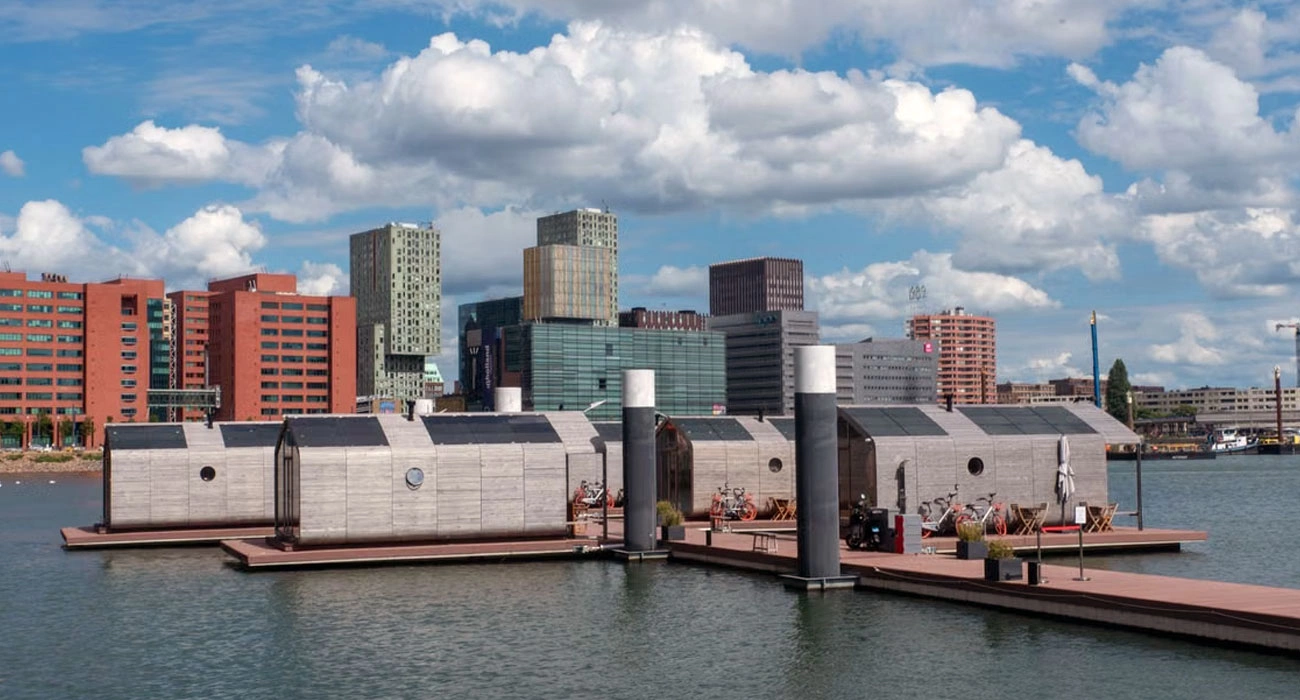
For many years, climate discussions primarily focused on reducing greenhouse gas emissions and transitioning towards cleaner energy sources. While these efforts remain essential, the growing frequency and intensity of climate-related disruptions have highlighted another urgent priority: adapting to environmental changes that are already affecting communities and businesses. Flooding can interrupt transportation networks and damage commercial properties, while extreme heat can reduce workplace productivity and increase demand for cooling systems. Agricultural businesses must also respond to changing rainfall patterns, water availability, and growing conditions.
These challenges are encouraging organisations to reconsider how they design infrastructure, allocate resources, and protect their operations. Climate resilience is increasingly becoming a measure of long-term economic preparedness. The transition towards a more resilient economy represents a significant shift in how sustainability is understood. Preparing for climate risks is no longer solely an environmental responsibility; it is becoming an essential component of business strategy, investment planning, and long-term economic stability. For businesses, climate resilience is increasingly becoming a question of operational continuity and long-term competitiveness. Companies operating in vulnerable regions must consider how extreme weather events could affect supply chains, workforce availability, production facilities, and distribution networks. Integrating climate risk assessments into business planning allows organisations to anticipate disruptions, protect critical assets, and make more informed investment decisions. As climate uncertainty grows, resilience is becoming an important measure of business preparedness.
From Environmental Risk to Commercial Opportunity
The development of climate adaptation solutions is creating opportunities across several industries. Construction companies are exploring flood-resistant building materials and improved drainage systems, while technology providers are developing early-warning systems and environmental monitoring platforms. Financial institutions and insurance companies also have an important role. Better climate-risk assessment can help businesses understand potential losses, improve investment decisions, and develop more effective protection strategies.
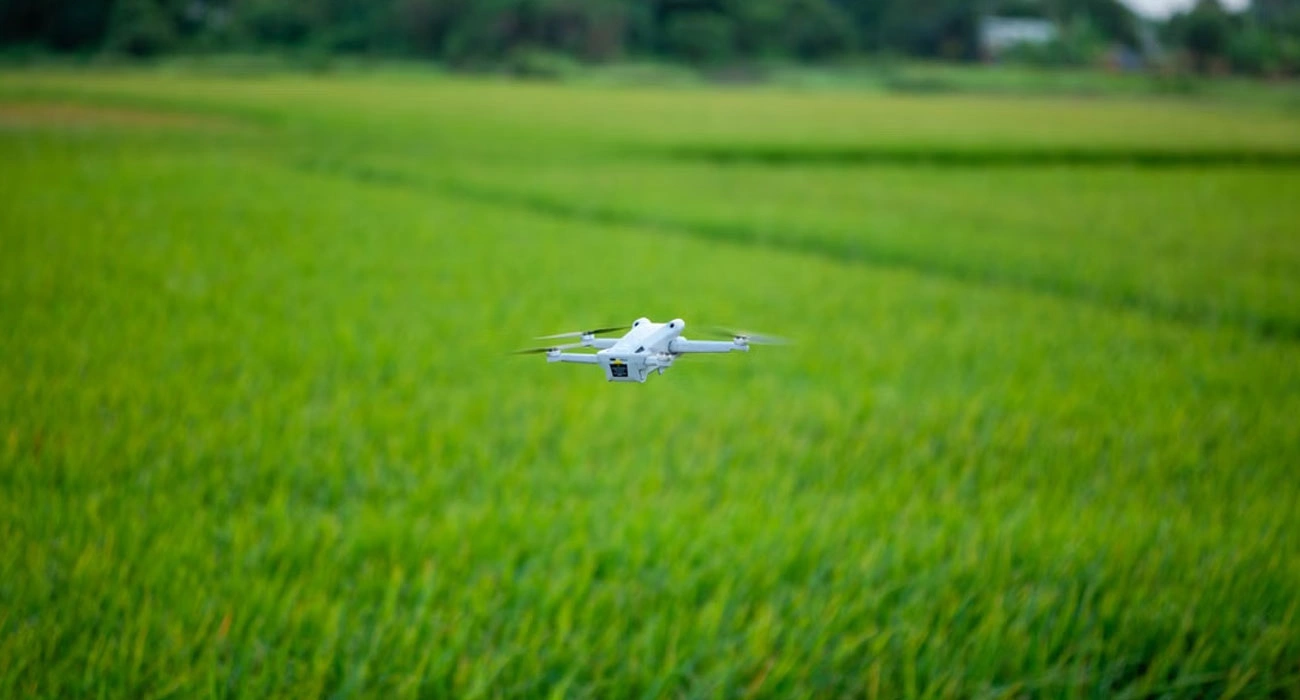
Meanwhile, agricultural businesses are investing in irrigation efficiency, resilient crop varieties, and improved land-management practices. These developments demonstrate that climate adaptation is not limited to one sector but represents an interconnected economic ecosystem. The emerging adaptation economy also creates opportunities for entrepreneurs and established companies to develop new services, technologies, and infrastructure solutions. From engineering and construction to insurance and environmental consulting, demand for resilience-focused expertise is likely to expand. The expansion of the climate adaptation market is also creating opportunities across several interconnected industries. Engineering firms are developing flood barriers and improved drainage systems, while technology companies are introducing climate monitoring platforms, predictive analytics, and early-warning solutions. Financial institutions are also expanding their role by supporting projects that reduce exposure to environmental risks and strengthen infrastructure resilience.
This shift is encouraging businesses to view climate adaptation not simply as an additional operating expense, but as a strategic investment. Organisations that develop expertise in resilient infrastructure, environmental technologies, and risk management may be better positioned to respond to changing regulations, attract investment, and serve markets increasingly concerned with climate-related challenges.
Building Resilience into Business Strategy
Effective climate adaptation requires more than responding to environmental emergencies. It involves integrating resilience into the way organisations design facilities, manage resources, and plan future operations. Businesses are increasingly assessing physical climate risks when making decisions about infrastructure, property development, logistics, and long-term investments.
For manufacturers and supply-chain operators, this may involve diversifying sourcing locations, strengthening transportation networks, and improving the ability of facilities to withstand extreme weather. In agriculture, investment in water-efficient irrigation, climate-resilient crop varieties, and improved land management can help reduce vulnerability to changing environmental conditions.
The financial implications are equally important. Although adaptation projects may require substantial initial investment, reducing the likelihood of operational disruption can protect long-term productivity and business continuity. This makes climate resilience an increasingly relevant consideration for corporate strategy, investment planning, and sustainable economic development.
— INSPIRING CIRCLE EDITORIAL TEAMClimate resilience is no longer simply about preparing for environmental challenges. It is about protecting economic value, strengthening business continuity, and creating opportunities for long-term growth.
- Global climate adaptation needs could reach US$1.2 trillion annually by 2050 under a 2°C warming scenario.
- Approximately US$460 billion represents a deployment-ready annual investment opportunity.
- Current annual adaptation spending is estimated at approximately US$90 billion, according to the article's cited estimate.
- Climate adaptation measures can generate average benefits of approximately three times their investment costs.
The Future of a Resilient Economy
Climate adaptation is becoming an essential part of how economies prepare for the future. As environmental risks continue to influence infrastructure, agriculture, manufacturing, and urban development, the demand for practical resilience solutions is expected to remain an important area of economic activity.
For businesses, the challenge is to move beyond short-term responses and develop strategies that anticipate future risks. This requires collaboration between governments, investors, technology providers, and private enterprises to ensure that adaptation solutions are accessible, financially viable, and capable of delivering lasting benefits.
Ultimately, climate resilience represents more than protection against environmental disruption. It offers an opportunity to build stronger businesses, more reliable infrastructure, and more adaptable communities. Organisations that recognise this shift today can help shape an economy better prepared for the challenges of tomorrow.